For most homeowners, paying for building work is a major investment. Whether it’s an extension, renovation, new kitchen, roof or driveway, thousands of pounds can be at stake.
So when things go wrong, the consequences can be huge.
A recent BBC News report from Swansea highlighted exactly that, after a homeowner was left with their home torn apart and £14,000 gone following work by a builder they described as a “cowboy builder.”
It’s a stark reminder that choosing the right tradesperson matters.
But there’s another part of the problem that doesn’t get talked about enough:
How accurately is the work being priced in the first place?
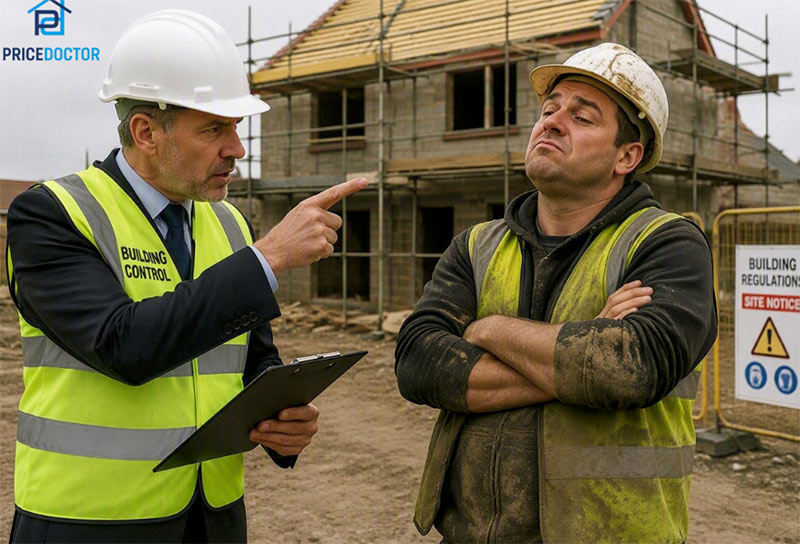
On 28 August 2026, the Government announced new measures aimed at protecting homeowners from rogue builders and improving standards across the industry.
The proposals include a new government-supported scheme to help people identify trusted traders, an Approved Code covering areas such as transparency and dispute resolution, and a system designed to better protect homeowners’ money by linking payments to project milestones.
The Government says more than one in four UK adults who carried out home improvements in the previous 18 months experienced problems, while more than a third of those affected faced additional costs.
That’s a significant problem.
But tackling cowboy builders isn’t only about catching the bad ones.
“It’s also about making it easier for good tradespeople to demonstrate that they’re good”.

When homeowners receive several quotations, it’s natural to look at the bottom line.
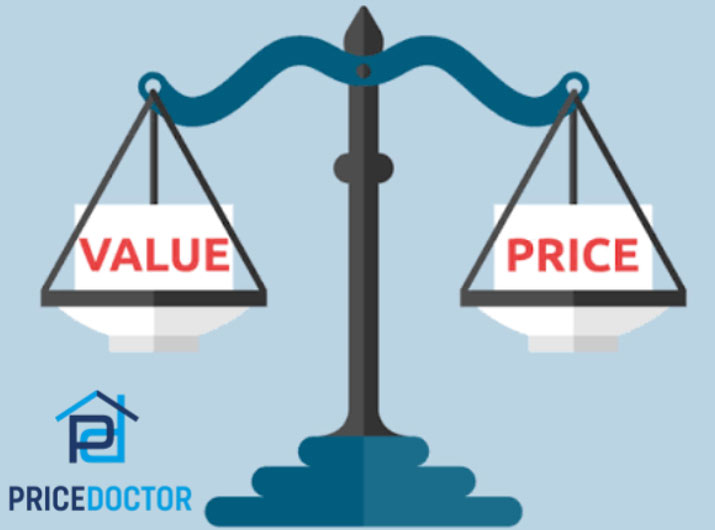
But if one builder quotes £40,000 and another quotes £25,000, the question shouldn’t simply be “Who is cheaper?”
It should be:
“What’s included?”
Have the same materials been allowed for?
Has all the labour been accounted for?
Are delivery, waste and other costs included?
Has the builder properly understood the scope of the work?
A very low quote isn’t necessarily a bargain. Sometimes it can simply mean something has been missed or underestimated.
And that’s where problems can begin.
There are genuine rogue traders who deliberately take advantage of homeowners.
But there are also honest tradespeople who simply get their pricing wrong.
Material prices change. Labour takes longer than expected. Items get missed. Quotes are produced in a rush.
The result can be a homeowner who feels they’ve been overcharged and a tradesperson who feels they’re doing additional work for little or no margin.
Neither side wins.
This is where Price Doctor can help
Price Doctor was built to help tradespeople price smarter, not simply price harder.
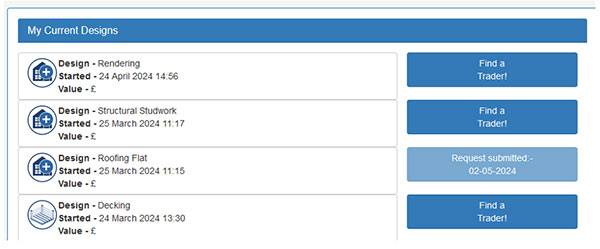
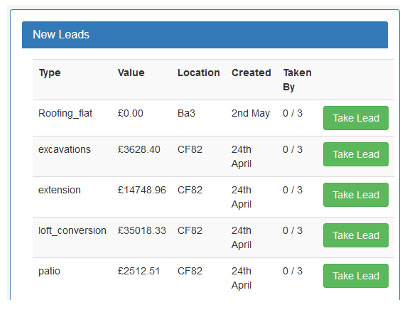
The platform helps tradespeople create more structured quotations using up-to-date material pricing, helping them understand what a job is actually going to cost.
For the tradesperson, that means greater confidence in their price.
For the homeowner, it can mean a clearer and more professional quotation to discuss before work begins.
And that distinction matters.
Price Doctor doesn’t decide which builder you should hire.
It doesn’t replace checking references, reviews, qualifications or insurance.
What it can do is help a tradesperson build a quotation around clearer and more informed pricing.

A good quotation shouldn’t just be a number at the bottom of a page.
It should give both sides an opportunity to understand the job.
A homeowner should be able to ask:
- “What’s included?”
- “What materials are you allowing for?”
- “What could cause the price to change?”
And a professional tradesperson should be able to explain their price with confidence.
That’s a much better conversation than simply arguing over whether someone is “too expensive.”

The cowboy builder problem doesn’t just hurt homeowners.
It also hurts reputable tradespeople.
An honest builder might spend time properly calculating labour, materials, overheads and margin, only to lose a job to someone who has submitted an unrealistically low price.
That creates a race to the bottom.
And ultimately, homeowners can suffer too.
Good tradespeople shouldn’t have to compete by being the cheapest. They should compete by being professional, transparent and delivering quality work.
Before choosing a tradesperson, homeowners should still do their homework.
- Get multiple quotations.
- Check reviews and previous work.
- Ask about qualifications and insurance.
- Make sure the quotation clearly explains what is included.
- And don’t be afraid to ask questions.
A reputable tradesperson should be happy to explain how they’ve arrived at their price.
For the homeowner, it can mean a clearer and more professional quotation to discuss before work begins.
Price smarter. Build trust.
The Swansea case reported by the BBC is a sobering reminder of why homeowners need to be careful when choosing who works on their home.
But the answer isn’t to distrust every tradesperson.
It’s about creating a better process.
Better communication. Better quotations. Better pricing.
That’s where Price Doctor aims to help.
By giving tradespeople the tools to price their work more effectively, we can help create clearer conversations between the person doing the work and the person paying for it.
Because ultimately, homeowners and tradespeople want the same thing:
A fair price, a clear agreement and a job done properly.
Don’t Price Harder. Price Smarter.